As has been noted elsewhere there can be no blank cheque for flood defences; we need to make rational and cost effective
sustainable choices when it comes to coastal defence. We
need to decide how we are going to deal with the weather related effects of a
warming world with expanding and rising oceans. Now I am not suggesting for a moment
the wholesale abandoning of large tracts of our country to the ravages of the
ocean. Rather
we need to make rational long term sustainable choices about flood defence and
the development of a comprehensive planning system for our country.
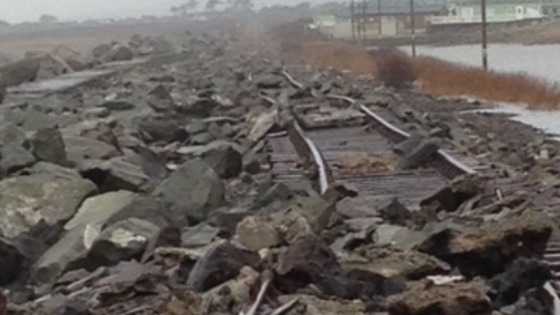 |
| After the flooding... |
We need to
build in flood prevention / flood avoidance as part of the planning system and
make efforts to avoid building in those areas that are vulnerable to flooding
or at least build to take into account the possibilities of flooding. If we are going to build on flood plains or other areas that are vulnerable to flooding then we must use flood resistant or at least flood hardened modern intelligent design techniques to limit potential future damage, loss and inconvenience as is done elsewhere.
Our
country has around 5,000 miles of coastline, not all of which is inhabited or
at prime risk, but even so, going Dutch with wholesale widespread sea defences
would be an expensive option for Wales, let alone the UK. Now those coastal
roads and railways that have been damaged by the recent combination of bad
weather and high tides will be repaired in the short term.
We
in Wales do need to take a longer view and seriously consider the possibilities
of relaying railway lines and building roads away from those more vulnerable
coastal areas. Additionally we need to harden our power network and our
communities to the effect of severe weather events. That said we are in a much
better position to make more rational coastal defence choices than some
countries in the developing world and to seriously consider just exactly where
we put key infrastructure.
The
quick fix (and short term gain) may be one of our biggest problems here in
Wales along with the lack of sensible detailed all Wales development planning.
Across the border, Westminster’s institutionalised short term view led to the
cutting of £500 million pounds from the Environment Agency budget (between 2010
and 2013, and anticipated another ‘saving £ 300 million pounds by 2015 and the
cutting of some 1,500 jobs. I suspect that in the wake of the last few weeks
the Con Dems may revisit this...
The
Pacific island nations and Bangladesh will face the potentially catastrophic
social, economic and political consequences of rising and expanding oceans
before we will. Even the Dutch have
after over 500 years of experience trying come to the conclusion that in some
cases it is better to build in flood room, setting aside some coastal wetlands
and other land as places that will be allowed to flood to take the pressure of
other areas.
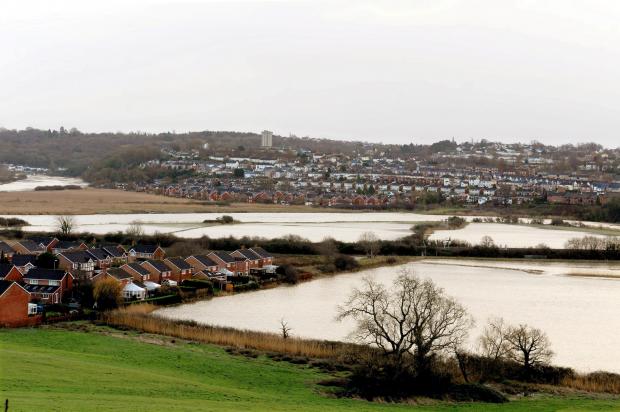 |
| A close call near Caerleon, near Newport in the lower Usk Valley |
Some parts of our country got hit hard by the recent coastal flooding and bad weather, other areas literally dodged the bullet , we may not be so lucky next time. Westminster budget cuts mean (unless they are reversed) that in England there will be less money, less resources and less people to work to prevent future floods. We in Wales cannot afford that short of dull short term thinking... we need to start the process of better flood prevention now before the next time.

